

How Many Treats Are Too Many for Your Pet? A Vet's Guide to Healthy Treating

Treats are a wonderful way to show your pet love and reward good behavior. But how many treats are too many? Giving too many can lead to health problems, while too few might miss out on important training opportunities. This guide offers clear, vet-backed advice to help you strike the right balance for your furry friend.
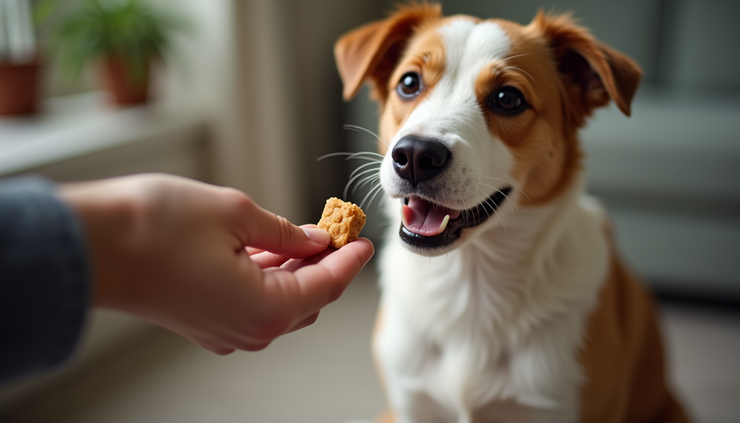
Why Treats Matter but Need Limits
Treats serve many purposes beyond just spoiling your pet. They help with:
Training and reinforcing commands
Building a bond between you and your pet
Providing mental stimulation
Offering a tasty snack during walks or playtime
However, treats can add extra calories that may cause weight gain if not managed carefully. Overfeeding treats can lead to obesity, dental issues, and digestive problems. Pets with certain health conditions like diabetes or pancreatitis are especially vulnerable.
How Many Treats Should You Give?
Veterinarians generally recommend that treats make up no more than 10% of your pet’s daily calorie intake. This keeps treats as a small part of their overall diet and helps maintain a healthy weight.
Calculating Treat Portions
Know your pet’s daily calorie needs
For example, a typical adult dog weighing 30 pounds needs about 900 to 1100 calories per day. A cat weighing 10 pounds may need around 200 calories daily.
Calculate 10% of that amount
For the dog, 10% is about 90 to 110 calories from treats. For the cat, it’s about 20 calories.
Check treat calorie content
Many commercial treats list calories on the package. For example, a small dog biscuit might have 20 calories. That means your dog could have about 4 to 5 biscuits per day without exceeding the 10% guideline.
Examples of Treat Limits
Small dog (15 lbs): 50-70 calories from treats, about 2-3 small biscuits
Medium dog (40 lbs): 120-150 calories, about 6-7 small biscuits
Cat (10 lbs): 20 calories, 1-2 small treats
Always adjust based on your pet’s activity level, age, and health status.
Choosing Healthy Treats
Not all treats are created equal. Some are high in fat, sugar, or artificial ingredients. Look for treats that are:
Made with natural ingredients
Low in calories and fat
Free from artificial colors, flavors, and preservatives
Appropriate for your pet’s size and chewing ability
You can also use healthy alternatives like small pieces of cooked chicken, carrots, or apple slices (avoid toxic foods like grapes, onions, and chocolate).
Tips for Healthy Treating
Use treats for training and positive reinforcement only
This keeps treats special and meaningful.
Break larger treats into smaller pieces
This helps control calorie intake while still rewarding your pet.
Keep track of treats given throughout the day
Include treats in your pet’s daily calorie count.
Avoid table scraps or human food as treats
Many human foods are unhealthy or toxic for pets.
Consult your vet if your pet has health issues
Your vet can recommend safe treat options and portion sizes.
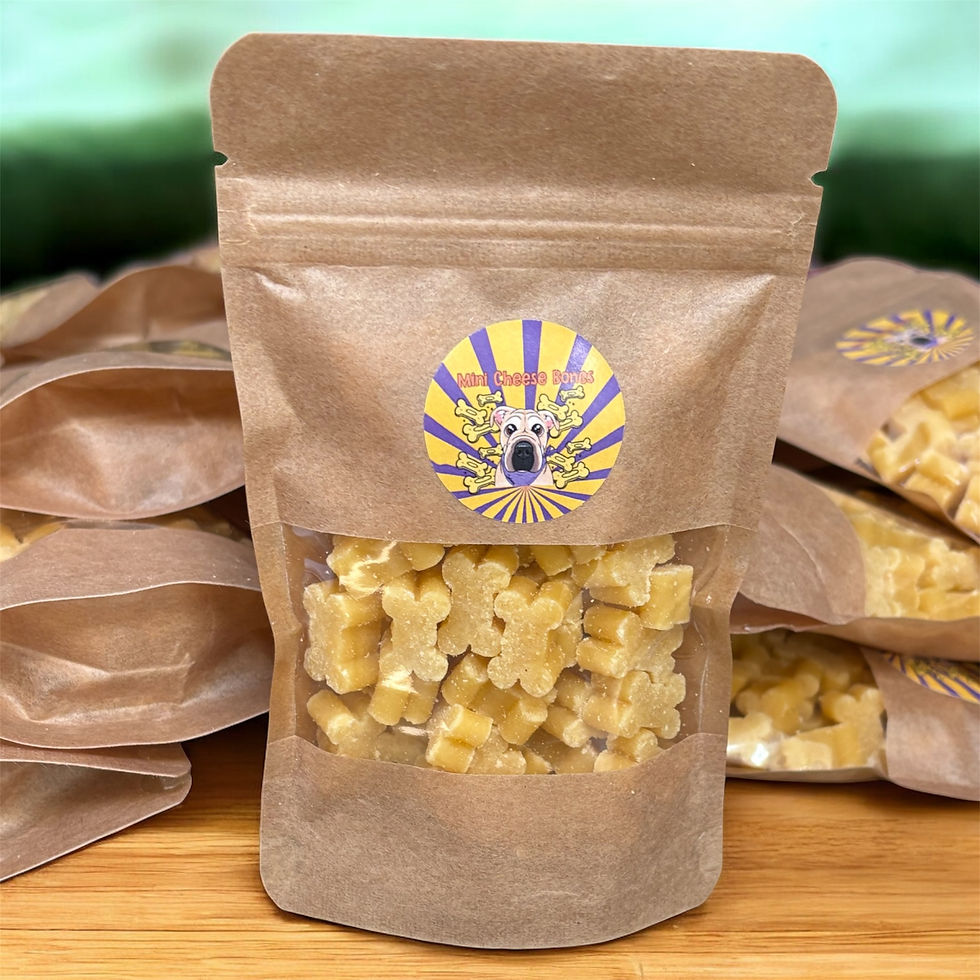
Signs You May Be Giving Too Many Treats
Watch for these signs that your pet might be getting too many treats:
Weight gain or difficulty losing weight
Changes in stool consistency or digestive upset
Dental problems like tartar buildup or bad breath
Loss of interest in regular meals
If you notice any of these, reduce treat amounts and consult your vet.
Final Thoughts on Treating Your Pet
Treats are a valuable tool for training and bonding but should never replace a balanced diet. Keeping treats to under 10% of your pet’s daily calories helps maintain their health and happiness. Choose nutritious treats, monitor portions, and always prioritize your pet’s overall well-being.
By following these guidelines, you can enjoy rewarding your pet without risking their health. Remember, the best treat is your time, attention, and love.
Shop healthy treats at www.dibblesnibbles.com


Comments